


Is Your Child Ready for Ortho-K?: Questions Malaysian Parents Should Ask
Key Takeaways
- Ortho-K may suit children with progressing myopia. Ortho-K lenses are considered by many Malaysian parents for their child who is having their prescription increase even after wearing glasses continuously.
- Good hygiene habits matter for overnight lens wear. Those kids who want to go for ortho-K lenses Malaysia treatment must have the maturity level where they will be able to manage the cleaning routine of the lenses.
- Not every child is automatically suitable for Ortho-K. Various factors including eye health conditions, prescription strengths, corneal conditions, and lifestyles play a role in determining eligibility for ortho-K lenses treatment.
- Regular follow-up appointments remain important. Ongoing reviews help monitor eye health, lens fitting, comfort, and myopia progression over time rather than treating Ortho-K as a one-time solution.
- Parents should understand both benefits and limitations. Ortho-K can support clearer daytime vision and myopia management, but realistic expectations and professional guidance remain equally important.
Introduction
The concern of parents over myopia in children is rising due to an increase in screen time, sedentary activities indoors, and the burden of academic studies for children. Some children even wear glasses in primary school, with the prescription getting worse as the years go by.
As stated in a study done by the Brien Holden Vision Institute, almost 50% of the world’s population will suffer from myopia by 2050. As such, discussions surrounding early myopia management have become more pressing for parents all around the world. The National Library of Medicine also reported high rates of childhood myopia in East and Southeast Asia.
The objective of this blog article is to help Malaysian parents better understand orthokeratology Malaysia treatment and its effects on their child’s vision
What is Ortho-K and How Does It Work?
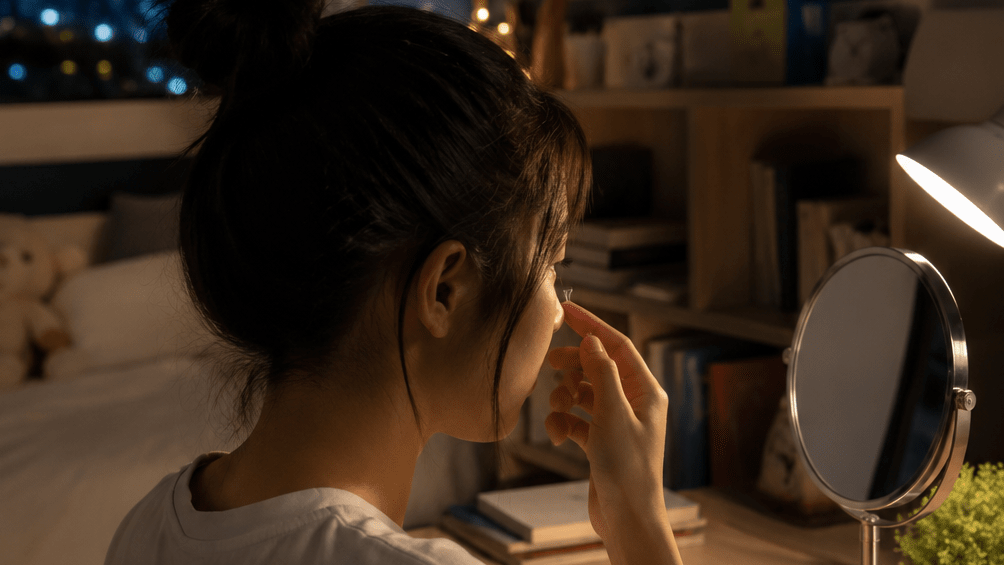
Ortho-K refers to the process whereby hard lenses specially manufactured are inserted into the eye of the patient while he or she sleeps. This reshapes the outer layer of the eye to enhance the visual acuity when the lenses are taken off. The lenses used in ortho-k procedure cannot be compared to those used for daily wear.
Many parents first explore ortho-K Malaysia options when:
- Their child’s prescription keeps increasing
- Glasses become inconvenient during sports
- Children dislike wearing spectacles daily
- Parents want additional myopia management support
The process usually begins with:
- Detailed eye examinations
- Corneal mapping
- Prescription assessment
- Tear film evaluation
- Lens fitting consultations
The goal is not simply reducing dependence on glasses during the day but also supporting long-term myopia control in Malaysia, and strategies in suitable children.
Why Are More Malaysian Parents Considering Ortho-K?
Childhood routines have changed significantly over the past decade.
Children today often spend:
- Longer hours indoors
- More time using digital devices
- Less time outdoors
- Extended periods focusing on near work
These factors are frequently discussed in conversations surrounding increasing myopia rates globally.
Many parents in Malaysia now look beyond standard glasses because they are concerned about:
- Rapidly increasing prescriptions
- Stronger lenses every year
- Long-term eye health risks linked to high myopia
This growing awareness has contributed to increased interest in ortho-K Malaysia treatment options. Parents are also drawn to practical lifestyle benefits.
Children involved in swimming, badminton, football, dance, and martial arts may find daytime glasses inconvenient during activities. Since Ortho-K lenses are removed after waking up, many children experience clearer daytime vision without needing spectacles during school or sports
Questions Parents Should Ask Before Deciding
Prior to deciding on orthokeratology treatment in Malaysia, there are some important questions parents should ask during consultations:
- Is my child’s prescription appropriate?
Prescriptions react differently to Ortho-K treatments. Eye examination determines suitability depending on the severity of myopia and eye health.
- Is my child mature enough to take care of the lenses?
Hygiene is very important as lenses need to be worn during sleep time. Parents need to ensure that their child is responsible enough to handle the lenses properly.
- Does my child have healthy eyes?
There might be cases when conditions like dry eye syndrome, allergy, cornea irregularity, or inadequate tear film can hinder lens wear.
- Are follow-up appointments feasible?
Treatment includes monitoring sessions since this procedure needs to be continuously evaluated. It cannot be simply fitted without future monitoring appointments.
- What are our goals?
Parents should know that Ortho-K helps in correcting their child’s vision and myopia progression but it does not cure the problem forever.
These questions enable better understanding of what to expect from Ortho-K treatment.
Is Your Child Responsible Enough for Overnight Lens Wear?
One of the biggest factors influencing success with ortho-K lenses Malaysia treatment is daily consistency.
Children must:
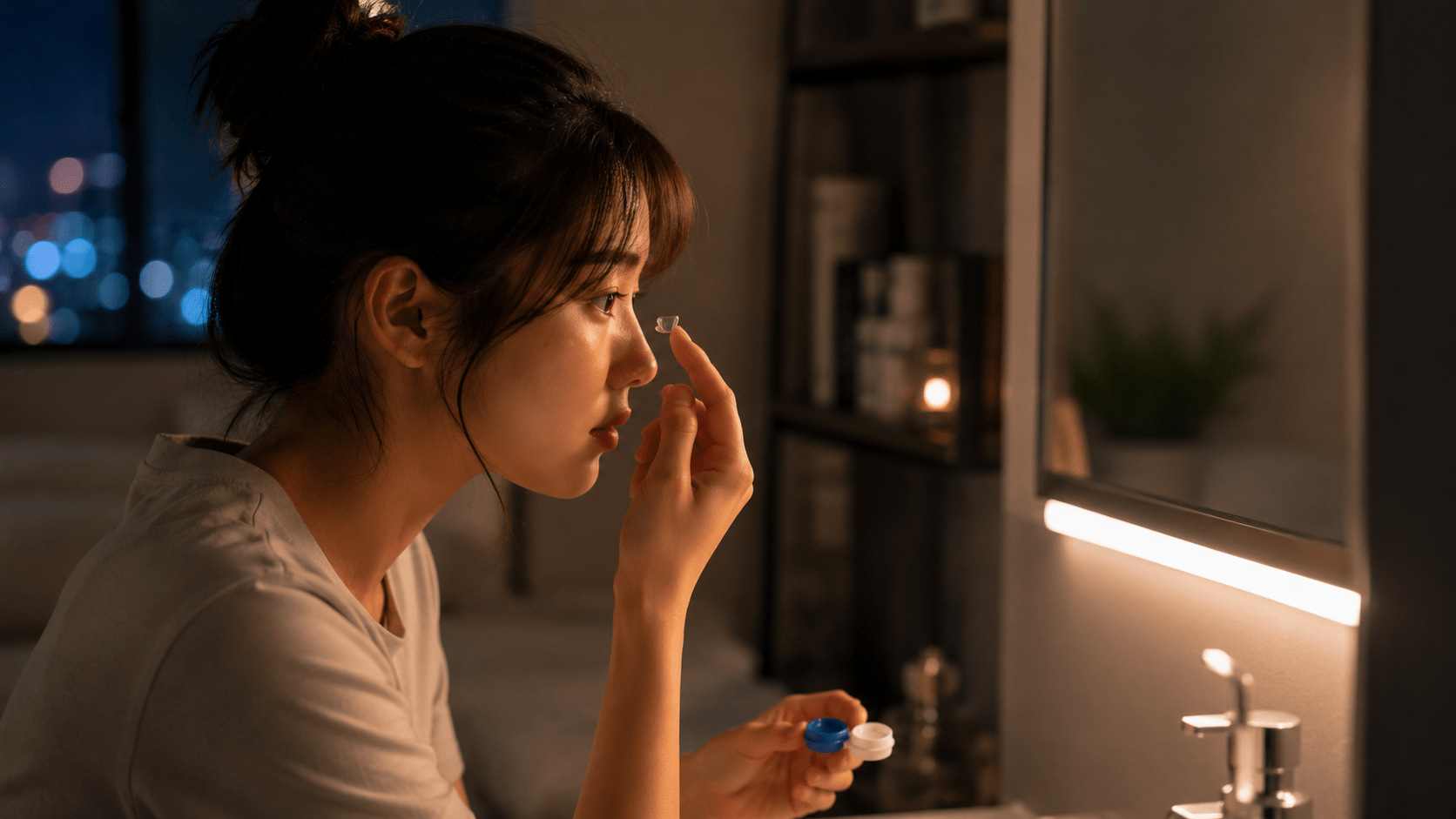
- Wash hands properly
- Clean lenses correctly
- Store lenses safely
- Follow wearing schedules carefully
Parental involvement also matters, especially for younger children. Many practitioners encourage parents to supervise lens insertion, lens removal, cleaning routines, and storage hygiene during the early adjustment phase.
Children that have problems with routine or remembering directions may need more supervision prior to starting their Ortho-K therapy.
This is not an indication that they are never good candidates, but the level of responsibility could play an important role.
How Important Are Hygiene and Follow-Up Visits?
Good hygiene habits are central to safe overnight lens wear. Poor cleaning routines may increase the risk of eye irritation, discomfort, inflammation, and infection complications.
This is why professional follow-up appointments remain important throughout treatment.
During review visits, practitioners may assess:
- Corneal health
- Lens positioning
- Prescription stability
- Tear film quality
- Visual clarity
Parents should also encourage children to communicate any symptoms such as, redness, discomfort, blurry vision, excessive tearing, and unusual sensitivity rather than ignoring them.
For many families exploring myopia control Malaysia options, understanding this ongoing commitment helps create more realistic expectations before treatment begins.
Traditional Glasses vs Ortho-K Lenses
Both options have advantages depending on the child’s lifestyle, prescription progression, and comfort preferences.
| Feature | Traditional Glasses | Ortho-K Lenses |
| Daytime Vision | Requires glasses during waking hours | Lens-free daytime vision |
| Sports Suitability | May feel inconvenient during sports | More flexibility for active children |
| Daily Routine | Simple to use | Requires nightly lens wear |
| Hygiene Responsibility | Lower | Higher cleaning responsibility |
| Myopia Management | Corrects vision | May support myopia control |
| Comfort During Activities | Can fog or slip | No daytime eyewear |
| Maintenance | Basic cleaning | Detailed lens care required |
| Follow-Up Visits | Periodic eye checks | More regular reviews |
| Adjustment Period | Minimal | Usually requires adaptation period |
| Suitability for Children | Broadly suitable | Depends on eye assessment |
| Overnight Wear | Not applicable | Worn during sleep |
| Long-Term Management | Prescription updates | Ongoing monitoring needed |
What Happens During an Ortho-K Assessment?
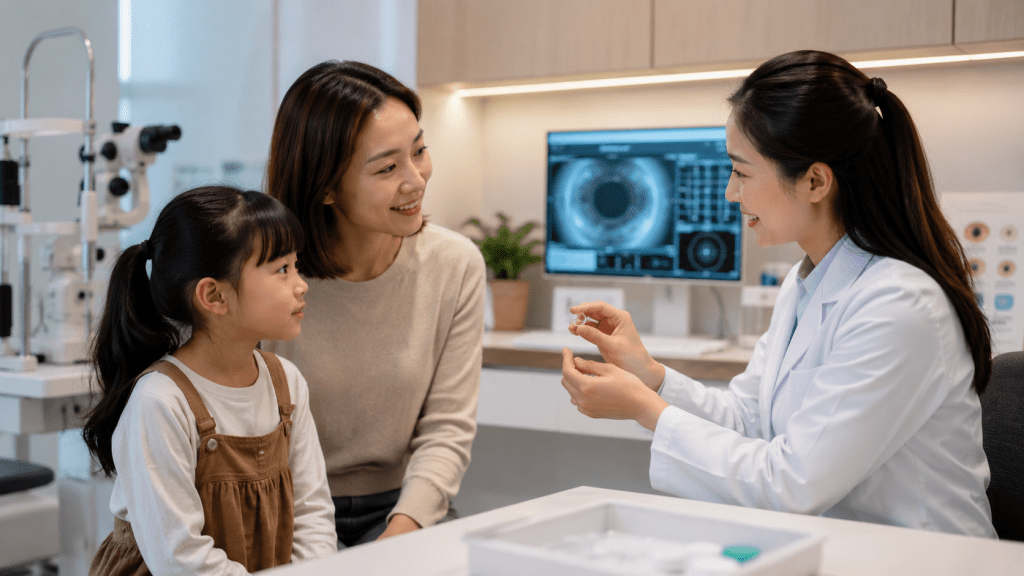
A professional orthokeratology Malaysia consultation usually involves more than a standard vision test.
Eye care professionals may assess:
- Corneal shape
- Pupil size
- Tear quality
- Prescription stability
- Eye health history
Corneal mapping technology helps practitioners evaluate how the eye surface may respond to overnight lens wear.
Parents also typically receive guidance about:
- Lens care
- Wearing schedules
- Follow-up expectations
- Adaptation periods
- Possible side effects
The evaluation procedure assists in deciding whether ortho-K Malaysia therapy is indicated prior to prescribing the lenses.
Instead of jumping straight into treatment, consultations mostly concentrate on suitability and future management plans.
Why is Early Myopia Management Important?
If myopia develops during childhood, there is every possibility that it will progress throughout the teens if not controlled.
Increased myopia is linked to higher chances of risks regarding eye health when the individual ages. This is one of the reasons why the discussion of myopia control Malaysia becomes more common among parents before the prescription gets stronger.
Early conversations also help children adapt more comfortably to:
- Eye care routines
- Regular check-ups
- Vision monitoring
- Healthy visual habits
Outdoor activities, screen time, reading distance, and routine eye exams are still very important topics in addition to discussing professional interventions.
Ortho-K is one of the methods used by many parents in their efforts to promote healthy visual development among children.
Conclusion
Deciding whether Ortho-K therapy is right for the kid will not just entail eliminating the need for eyeglasses; there are other factors that parents should take into consideration such as lifestyle, eye health condition, personal responsibility, and future risk of myopia development. Open and honest consultations with an eye care expert can provide an idea of what to expect from the process.
Optika Optometrist, serving families since July 2012 with professional eye tests, specialty eye care, and Ortho‑K consultations can get contact lens fitting and assessment services, plus options from 5+ trusted lens brands such as Acuvue, Air Optix, Freshkon, and MiaCare. You’ll see daily, bi‑weekly, and monthly choices depending on what fits best.
Parents can also browse premium eyewear collections from ic! berlin and DITA, while getting help from experienced optometrists focused on children’s eye health and myopia care.
Contact us today with Optika Optometrist to explore the most suitable vision care options for your child’s growing needs.
FAQs
- What age is suitable for Ortho-K treatment?
Children as young as six or seven may sometimes be considered suitable, depending on eye health, prescription level, and ability to follow hygiene routines.
- Is ortho-K Malaysia treatment painful for children?
Most children adapt comfortably after the initial adjustment period. Mild awareness of the lenses during the first few nights is common.
- Can Ortho-K replace glasses completely?
Many children experience clear daytime vision without glasses after overnight wear, although results vary between individuals.
- How often are follow-up appointments needed?
Review schedules vary, but regular monitoring remains important to assess eye health, lens fitting, and vision stability.
- How does orthokeratology Malaysia support myopia management?
Ortho-K may help slow myopia progression in some children while also providing temporary daytime vision correction without spectacles.