


The Future of Eyewear in Malaysia: Trends and Technologies Shaping the Optical Scene
Summary
In this blog, we explore the rapidly evolving optical Malaysia landscape — from emerging fashion trends and sustainable materials to smart glasses, AR-powered lenses, and AI-driven eye care. We examine how these innovations are influencing the Malaysian eyewear market, and what opticians and consumers alike can expect in the near future. We also discuss the challenges and opportunities for local optometric practices, and finally answer three frequently asked questions about where the optical industry in Malaysia is heading.
Introduction: A New Era for Eyewear in Malaysia
The world of eyewear is no longer just about improving vision — it has become a dynamic convergence of fashion, technology, and health. In optical Malaysia, rapid digital adoption, rising environmental awareness, and growing eye health concerns are reshaping how Malaysians choose and use their glasses.
As more Malaysians spend long hours in front of screens, demand for high-performance lenses has surged. At the same time, new materials and smart technology are redefining what eyewear can do. From augmented reality glasses to sustainably sourced frames, the future is already here — and it is deeply personal, stylish, and intelligent.
In this blog, we examine the key trends and technologies that are transforming the optical industry in Malaysia, and what opticians like Optika Optometrist can do to stay at the forefront.

1. The Growing Optical Market in Malaysia
To understand where the optical industry is heading, it helps to first appreciate where it stands today.
- According to Statista, the Malaysian eyewear market is projected to generate revenue of around US$558.9 million by 2025, with ongoing growth.
- Within that, the spectacle lenses segment alone is expected to reach US$217.9 million by 2025, with increasing demand for specialised lens types.
- For eyewear frames, the Malaysian market is forecast to grow at a CAGR of around 2.83% over 2025-2029, and eco-friendly materials are becoming more prominent.
These numbers tell a clear story: the optical Malaysia industry is not only thriving, but also diversifying.
Read More: Your Ultimate Resource for Locating the Best Optical Shop Nearby
2. Trend #1: Sustainability Takes Centre Stage
One of the most significant shifts in the optical scene is the rise of sustainable eyewear. Conscious consumers in Malaysia, especially younger generations, are increasingly prioritising eco-friendly products — and eyewear is no exception.
Eco-friendly Materials
Sustainable frames now come in materials like:
- Bio-acetate, derived from renewable sources such as cottonseed fibre and wood pulp.
- Recycled metals, such as steel, titanium, or aluminium, which reduce the environmental impact of mining.
- Natural materials, including bamboo, cork, or reclaimed wood, offering both aesthetic appeal and a smaller carbon footprint.
Greener Manufacturing & Packaging
Optical brands are also focusing on sustainable production and packaging:
- Using recycled packaging materials and plant-based inks.
- Minimising waste, energy use, and water consumption in manufacturing.
- Encouraging repair-and-reuse programmes rather than constantly replacing frames.
Why It Matters for Malaysia
By choosing sustainable eyewear, Malaysian consumers support broader circular economy goals, helping reduce waste and conserve resources. Optical practices like Optika Optometrist can embrace this by stocking eco-conscious brands, educating clients, and promoting repair options.

3. Trend #2: Fashion-forward and Performance-driven Frames
Eyewear is increasingly viewed not just as a functional necessity, but as a personal style statement. In Malaysia, this dual demand — for both fashion and utility — is shaping new trends in frame design.
Minimalism Meets Bold Design
- Sleek, minimalist titanium frames are rising in popularity, offering lightweight comfort and elegant geometry.
- Bold retro acetates — chunky, colourful frames in tortoiseshell and gradient hues — remain a strong fashion statement.
- Translucent „crystal-clear” neutral frames in soft tones like rose quartz or ice are also trending for their subtle sophistication.
Designer and Indie Innovation
Independent eyewear brands are pushing boundaries using technologies like 3D printing, face-scanning, and custom sizing, offering highly personalised, design-led experiences. For the optical Malaysia market, presenting curated frame collections that balance design innovation and practicality can help practices like Optika Optometrist appeal to both fashion-conscious and discerning customers.
4. Trend #3: Lens Innovation — Beyond Just Vision Correction
Lenses, once considered a utilitarian component, are now a critical frontier for innovation. Here are some of the most exciting developments:
Blue-Light Filtering Lenses
With increased screen time among Malaysians working and learning online, blue-light protection has become essential. These lenses reduce digital eye strain and may help filter harmful high-energy visible (HEV) light.
Photochromic Lenses
Photochromic (transition) lenses that adapt automatically to changing light conditions are gaining popularity, especially among drivers or people moving between indoor and outdoor environments.
Progressive and Multifocal Lenses
As Malaysia’s population ages, demand for progressive lenses (which offer seamless vision correction from near to far) and multifocal designs continues to grow.
Smart Lens Technologies
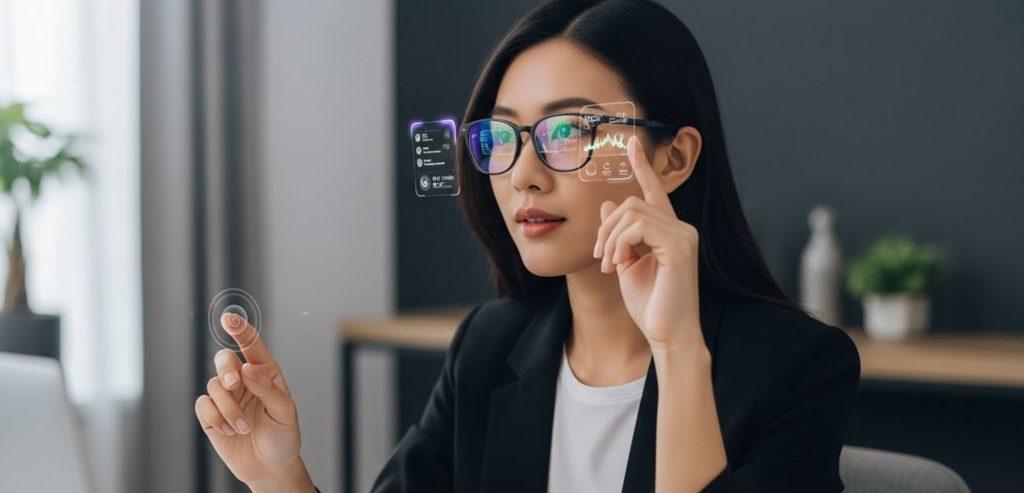
Smart and connected lenses are also emerging, driven by AI and sensor integration. These could include real-time health monitoring, gesture control, or even micro-displays in the lens — turning spectacles into wearable computing devices.
5. Trend #4: Smart Glasses & Wearable Eyewear
One of the most transformative trends in the optical world is smart eyewear — glasses that do more than just correct your vision.
Smart Glasses Entering the Mainstream
Thanks to major players like EssilorLuxottica and Meta, production of smart glasses is scaling rapidly.
These devices may offer features such as:
- Audio integration (bone-conduction or in-lens speakers)
- Health and fitness tracking (steps, posture, biometrics)
- Voice assistant capability (microphones and AI integration)
- AR displays, potentially showing notifications, directions, or contextual data on tiny embedded screens
Next-Gen Interfaces
New research is pushing smart glasses to become more intuitive and energy-efficient. For example, a very low-power gestural recognition system called “Helios” enables always-on hand gesture control for smart eyewear, using minimal power.
In parallel, ultra-thin AR glasses built on waveguide technology (e.g., silicon-carbide diffractive waveguides) are being developed for full-colour near-eye displays.
Implications for Optical Malaysia
As smart eyewear becomes more affordable and mainstream, Malaysian opticians such as Optika Optometrist could offer these advanced devices — combining prescription lenses with connected features. This would place them squarely at the intersection of health, fashion, and technology in the optical Malaysia market.
6. Trend #5: AI and Digital Eye Care
Beyond hardware, artificial intelligence is revolutionising eye care services. In Malaysia, AI presents many opportunities for opticians, optometrists, and patients alike.
AI-Powered Diagnostics
- Retinal screening: AI algorithms can detect eye diseases like diabetic retinopathy or age-related macular degeneration earlier and more accurately than traditional methods.
- Automated refraction: Smart devices can help measure refraction more efficiently, speeding up eye tests and improving precision.
Tele-optometry & Virtual Consultations
Digital platforms allow patients to consult remotely, particularly helpful in areas with limited access to specialised eye care. Optika Optometrist could integrate such tele-health services to expand its reach.
Predictive and Preventive Eye Care
AI tools may predict vision trends or disease risks by analysing personal data, allowing early interventions. For example, in the context of myopia management, AI could help monitor progression and personalise treatment.
Read Also: Beyond Fashion: The Importance of Investing in Quality Eye Protection Glasses
7. Challenges and Opportunities for Optical Practitioners in Malaysia
While the future is exciting, there are some challenges and important considerations for optical businesses in Malaysia:
Challenges
- Cost & Accessibility: Smart glasses and high-tech lenses are still relatively expensive. Ensuring affordability and convincing customers of their value will be vital.
- Regulatory Hurdles: Approvals for medical-grade devices, data privacy for smart wearables, and import regulations could slow adoption.
- Consumer Education: Many Malaysians may not yet be aware of the benefits of AI eye care or sustainable frames. Optical shops must educate their clientele.
- Technical Support: As devices become more advanced, opticians will need training and infrastructure to fit, maintain, and repair them.
Opportunities
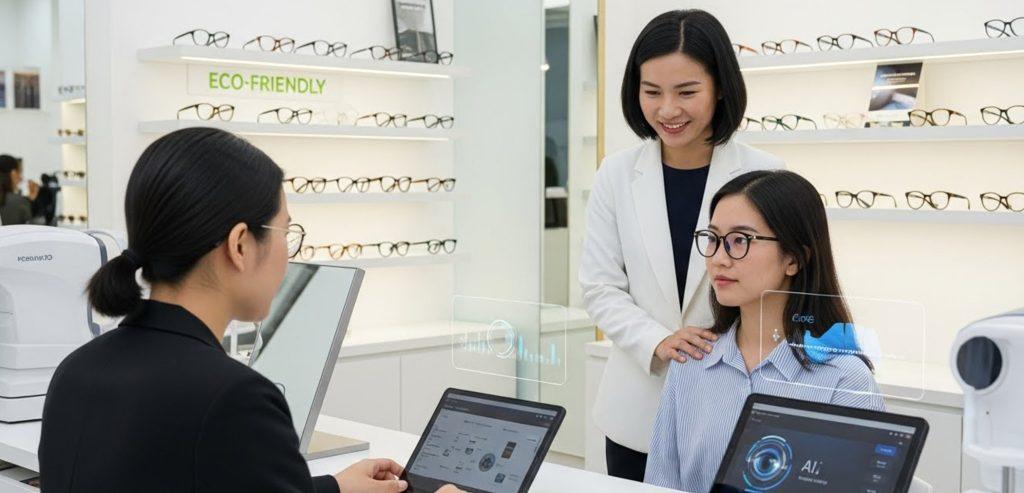
- Differentiated Services: Optika Optometrist and similar practices can stand out by offering premium experiences: eco-friendly frames, smart glasses, and AI-based eye exams.
- Partnerships with Tech Brands: Collaborating with wearable tech companies can bring cutting-edge products to local clients.
- Sustainable Positioning: Promoting green eyewear aligns with global and national sustainability goals, appealing to eco-conscious consumers.
- Tele-optometry Expansion: Digital consultations can reach underserved or rural communities, growing market reach.
8. What Optika Optometrist Can Do to Stay Ahead
To lead in the optical Malaysia landscape, Optika Optometrist might consider the following strategic moves:
- Curate a Sustainability Collection
Stock frames made from bio-acetate, recycled metals or natural materials. Highlight repair services to prolong frame life. - Introduce Smart Eyewear
Offer prescription-compatible smart glasses, with features like blue-light protection, audio, or basic AR displays. - Adopt AI Diagnostics
Integrate AI retinal screening and automated refraction tools to improve service speed and clinical accuracy. - Educate & Engage Customers
Run workshops or in-store events to explain the benefits of blue-light lenses, smart glasses and sustainable eyewear. - Leverage Tele-health
Provide remote eye-care consultations, especially for follow-ups, myopia management, or lens adjustments. - Build Partnerships
Work with tech companies, lens manufacturers, or research institutions to bring advanced eyewear and eye-care services to Malaysia.
Frequently Asked Questions (FAQs)
1. How big is the eyewear market in Malaysia, and what is driving its growth?
The eyewear market in Malaysia is growing steadily; by 2025, it is projected to reach US$558.9 million. Key drivers include rising digital device usage (leading to more demand for eye-care), an ageing population needing vision correction, and increased fashion consciousness among younger consumers.
2. Are smart glasses available now in Malaysia, and are they practical for everyday use?
Smart glasses are beginning to reach the Malaysian market. Thanks to global manufacturers like EssilorLuxottica partnering with tech firms, production is increasing. While current smart glasses may still be relatively pricey and have limited local availability, they offer practical features such as audio, voice assistant, and potentially AR. Over time, we can expect these devices to become more affordable, especially as demand and production scale up.
3. Why should I choose eco-friendly eyewear, and is it durable?
Eco-friendly eyewear uses materials such as bio-acetate, recycled plastic, or reclaimed metals. These sustainable options are designed to be just as durable as traditional materials. In addition, many brands offer repair-and-reuse programmes to extend the life of frames. Choosing these options helps reduce environmental impact while giving you a stylish, long-lasting pair of glasses.
Conclusion
The optical Malaysia scene is entering an exciting new chapter — one defined by sustainability, smart technology, and a refined blend of fashion and function. As consumers become more discerning and technologically savvy, demands will increasingly lean toward eyewear that does more than just correct vision.
For optometry practices such as Optika Optometrist, this shift offers an opportunity to pioneer: to offer greener frames, integrate AI diagnostics, and bring smart glasses into the mainstream in Malaysia. By doing so, they can not only enhance patient care but also contribute to a more sustainable and technologically advanced future in vision health.
As eyewear evolves, Malaysians will continue to benefit — clearer, smarter, and greener.