


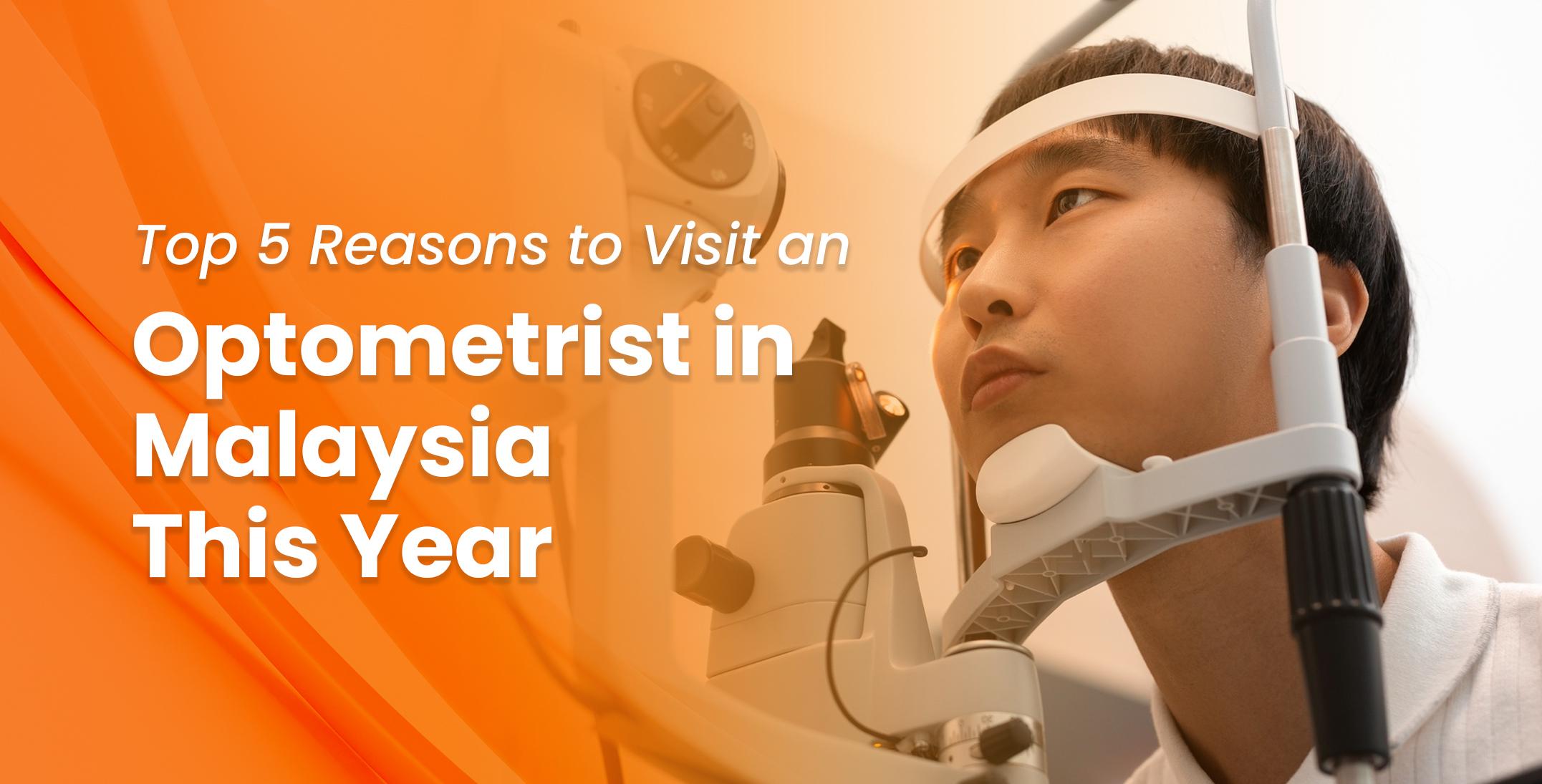
Top 5 Reasons to Visit an Optometrist in Malaysia This Year
Introduction: Why Eye Care Matters More Than Ever
In today’s fast-paced digital era, Malaysians spend countless hours staring at screens — from laptops and smartphones to tablets and televisions. This constant exposure is taking a toll on eye health, leading to issues like eye fatigue, blurred vision, and headaches. Yet, despite these challenges, many people delay their routine eye check-ups.
Visiting a qualified optometrist in Malaysia is not just about updating your glasses or contact lenses; it’s a proactive step towards protecting your eyesight, detecting hidden health issues, and enhancing your overall quality of life. Whether you’re experiencing vision discomfort, need advice on corrective lenses, or simply want to maintain healthy eyesight, scheduling a visit to an optometrist can make all the difference.
Let’s explore the top five reasons why seeing an optometrist in Malaysia this year is essential for you and your family.

1. Early Detection of Eye Diseases
Eye diseases often develop silently, showing little to no symptoms until significant damage has occurred. Conditions such as glaucoma, cataracts, diabetic retinopathy, and age-related macular degeneration are becoming increasingly common in Malaysia due to factors like ageing, diabetes, and lifestyle habits.
An optometrist in Malaysia can detect the early signs of these diseases through comprehensive eye examinations using advanced diagnostic technology. Early detection means early treatment — which can help preserve vision and prevent long-term complications.
Common eye conditions detected early by optometrists:
- Glaucoma: Known as the “silent thief of sight,” glaucoma causes gradual vision loss without noticeable symptoms at first. Regular screening helps identify elevated eye pressure early.
- Diabetic Retinopathy: With diabetes on the rise in Malaysia, regular eye exams are crucial for detecting blood vessel damage in the retina.
- Cataracts: Optometrists can monitor and refer patients for timely treatment before the condition worsens.
- Macular Degeneration: Early identification allows for preventive care that can slow progression.
In short, regular visits to an optometrist are not only about clearer vision — they are about protecting your long-term eye health.
2. Managing Digital Eye Strain and Blue Light Exposure
In Malaysia, remote work and digital lifestyles have become the norm. But with this shift comes digital eye strain, a common condition caused by prolonged screen exposure. Symptoms include dry eyes, blurred vision, neck pain, and headaches — all of which can impact your productivity and comfort.
A professional optometrist in Malaysia can provide effective solutions to combat these issues, such as:
- Blue-light filtering lenses to reduce glare and eye fatigue.
- Computer vision assessments to ensure proper screen distance and ergonomics.
- Dry eye management plans including lubricating drops and lifestyle advice.
Digital eye strain isn’t just a minor irritation — left untreated, it can worsen over time and affect your overall well-being. Visiting an optometrist ensures your vision keeps up with your lifestyle demands, especially if you’re working long hours in front of screens.

3. Clearer Vision and Better Visual Comfort
Many people assume that if they can see “well enough,” they don’t need an eye test. However, vision can change gradually — and you may not realise how much you’ve been compensating until you experience the difference of properly corrected sight.
Regular consultations with an optometrist in Malaysia help ensure that your glasses or contact lenses are up to date and tailored to your needs. Even small prescription adjustments can significantly improve clarity and comfort, whether for reading, driving, or using digital devices.
Benefits of accurate vision correction:
- Reduced eye strain and fatigue
- Improved focus and concentration
- Enhanced performance at work or school
- Better night vision for safe driving
Optometrists can also recommend customised lens solutions, such as multifocal lenses, progressive lenses, or speciality lenses for astigmatism, depending on your lifestyle and visual needs
4. Monitoring Children’s Vision and Eye Development
Good vision is vital for a child’s learning and development. Unfortunately, children often struggle to express vision problems, and parents might mistake poor eyesight for a lack of attention or academic difficulty.
A paediatric optometrist in Malaysia can conduct specialised eye tests designed for children, helping to detect issues such as:
- Myopia (short-sightedness): A rapidly growing concern among Malaysian children due to excessive screen time and limited outdoor activity.
- Amblyopia (lazy eye): Early treatment is crucial for restoring balanced vision.
- Strabismus (crossed eyes): Corrective options include vision therapy and specialised lenses.
By addressing these conditions early, parents can prevent long-term visual challenges and ensure their children perform their best at school. Regular eye check-ups every six to twelve months are recommended for children, especially during key growth stages.
5. Overall Health Monitoring Through Eye Exams
Many people are surprised to learn that an eye exam can reveal early signs of systemic health problems. Your eyes provide a clear view of blood vessels and nerves — which means optometrists can detect conditions like high blood pressure, high cholesterol, and diabetes during a routine check-up.
For example:
- Diabetic changes in the retina can appear before blood sugar issues become severe.
- Hypertension can cause retinal bleeding or swelling visible during an eye examination.
- Autoimmune diseases sometimes manifest with inflammation or dryness in the eyes.
Visiting an optometrist in Malaysia regularly is therefore an important part of preventive healthcare — not just for your eyes but for your overall well-being.
Read More: Myopia Management in Malaysia: Tips for Parents and Eye Care Professionals

Choosing the Right Optometrist in Malaysia
With so many optical stores and clinics available, selecting the right optometrist can feel overwhelming. Here are some tips to help you choose wisely:
- Check Credentials: Ensure your optometrist is qualified and registered with the Malaysian Optical Council (MOC).
- Look for Advanced Technology: Clinics offering digital retinal imaging, corneal topography, and visual field testing provide a more comprehensive assessment.
- Read Reviews: Customer feedback can give insights into service quality and professionalism.
- Personalised Care: Choose an optometrist who takes time to explain results and offers customised vision solutions rather than one-size-fits-all options.
- Aftercare and Support: Opt for clinics that provide ongoing support, especially if you’re using contact lenses or undergoing treatment.
Trusted clinics like Optika Optometrist Malaysia focus on providing professional eye care, advanced optical technology, and personalised attention to ensure patients enjoy clear and comfortable vision every day.
When Should You Visit an Optometrist
Most adults should have a comprehensive eye exam at least once every one to two years. However, you may need more frequent visits if you:
- Have diabetes or hypertension
- Spend long hours on digital devices
- Experience sudden changes in vision or eye pain
- Have a family history of eye disease
- Wear contact lenses regularly
Your optometrist can recommend a suitable check-up schedule based on your age, health, and lifestyle.
Further Reading: Discover the Future of Vision Correction: Orthokeratology in Malaysia
Final Thoughts
Your vision is one of your most valuable assets, and protecting it requires consistent care and professional attention. Whether you’re dealing with digital fatigue, blurry vision, or simply want peace of mind about your eye health, visiting an optometrist in Malaysia is one of the best decisions you can make this year.
From early disease detection to improved visual comfort and overall health monitoring, an optometrist offers far more than just a new pair of glasses — they’re your partners in lifelong eye wellness.
Make 2025 the year you prioritise your eyes. Book your eye check-up with a trusted optometrist and experience the world in sharper, healthier focus.

Frequently Asked Questions (FAQs)
Q1. How often should I visit an optometrist in Malaysia?
Most adults should have their eyes examined every one to two years. However, if you have existing eye conditions, diabetes, or a family history of eye diseases, more frequent visits are recommended. Children should have their first eye exam by age three, followed by annual check-ups.
Q2. What is the difference between an optometrist and an ophthalmologist?
An optometrist is a healthcare professional trained to examine eyes, prescribe glasses or contact lenses, and detect eye conditions. An ophthalmologist is a medical doctor who specialises in diagnosing and treating eye diseases through medical or surgical procedures. For most vision-related needs, an optometrist is your first point of contact.
Q3. Can an optometrist detect health problems beyond vision issues?
Yes. During an eye exam, an optometrist can identify early signs of conditions such as diabetes, high blood pressure, and cholesterol issues through changes in the blood vessels and retina. This makes regular eye exams a vital part of your overall health check-up routine.