


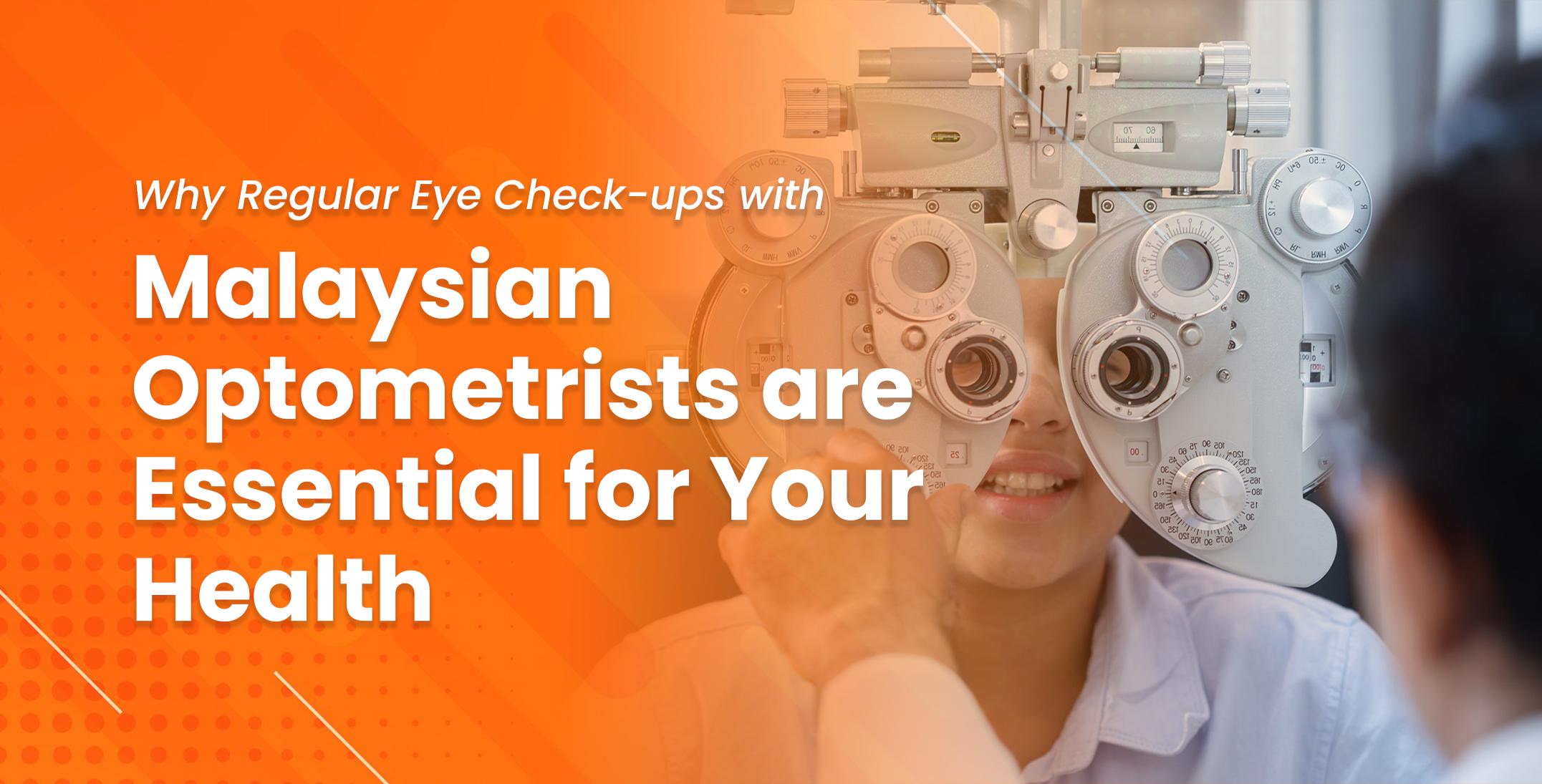
Why Regular Eye Check-ups with Malaysian Optometrists are Essential for Your Health
Summary
This blog explains why regular eye examinations with trained Optometrists Malaysia are vital for protecting not just your vision, but your overall health. You’ll learn how eye tests work, the hidden health problems they can detect, how often different age groups should get checked, the benefits of early diagnosis, and why choosing a Malaysian optometrist offers convenience, expertise, and peace of mind. This article also includes practical advice, real-life examples, and three helpful FAQs for patients.

Introduction: Your Eyes Reveal More Than You Think
We use our eyes every waking moment—whether reading, driving, working, or looking at digital screens. Yet, many people in Malaysia only visit an optometrist when they experience blurriness or discomfort. What most don’t realise is this: your eyes can show early signs of health conditions long before symptoms appear elsewhere in the body.
This is why regular eye check-ups with qualified Optometrists Malaysia are essential. Beyond determining your prescription, optometrists can detect diseases such as diabetes, hypertension, glaucoma, macular degeneration, and even neurological issues.
Your eyes aren’t just the “windows to the soul”—they’re the windows to your health.
Understanding the Role of Optometrists in Malaysia
To appreciate the importance of eye examinations, it’s helpful to understand what Malaysian optometrists actually do. In Malaysia, optometrists are highly trained professionals equipped with the skills to:
- Conduct comprehensive eye examinations
- Detect and manage eye diseases
- Provide vision therapy
- Prescribe glasses and contact lenses
- Monitor long-term visual health
- Offer personalised solutions for lifestyle-related eye issues
With modern diagnostic tools available in clinics nationwide, the scope of care offered by Optometrists Malaysia continues to expand.

Why Regular Eye Check-ups Are Essential for Everyone
1. Early Detection of Eye Diseases
Many eye diseases develop silently, causing irreversible damage before symptoms appear. Regular eye tests can detect:
• Glaucoma
Often called the “silent thief of sight”, glaucoma can cause permanent vision loss if left untreated.
• Diabetic Retinopathy
Malaysia has one of the highest diabetes rates in Asia, making retinal screening crucial for early prevention.
• Macular Degeneration
A leading cause of blindness among individuals over 50.
• Cataracts
Early identification ensures timely treatment and prevents deterioration.
These conditions are far easier to manage when caught early—making regular appointments with Optometrists Malaysia an essential health routine.
2. Eye Tests Reveal General Health Problems
Your eyes can signal issues affecting your entire body. During an eye examination, Malaysian optometrists can detect early signs of:
- High blood pressure
- Diabetes
- High cholesterol
- Autoimmune disorders
- Thyroid disease
- Brain tumours (rare but possible)
Because the eye contains visible blood vessels, changes in your systemic health often appear here first.

3. Preventing Digital Eye Strain
With Malaysians spending more time on smartphones, laptops, and tablets, digital eye strain has become increasingly common. Symptoms include:
- Dry eyes
- Headaches
- Blurred vision
- Eye fatigue
- Neck and shoulder pain
Optometrists provide targeted solutions such as:
- Anti-fatigue lenses
- Blue-light filtering lenses
- Lifestyle advice (e.g., the 20-20-20 rule)
- Customised prescription adjustments
This ensures comfortable and healthy vision in a digital world.
4. Ensuring Accurate Prescriptions
Vision can change gradually, especially for:
- Students
- Working adults
- Seniors
Incorrect or outdated prescriptions can lead to:
- Headaches
- Stress
- Reduced productivity
- Difficulty reading or driving
Regular examinations ensure you always have the correct lenses for optimal clarity and comfort.

5. Protecting Children’s Vision
Children often don’t realise they have vision problems. They may think blurry vision is “normal”. Left untreated, this can affect:
- Academic performance
- Behaviour
- Confidence
- Eye development
Paediatric check-ups with Optometrists Malaysia can diagnose:
- Myopia (short-sightedness)
- Lazy eye (amblyopia)
- Squints (strabismus)
- Focusing and coordination problems
Early intervention leads to better long-term visual and learning outcomes.
6. Supporting Senior Eye Health
As Malaysians live longer, age-related eye issues become more common. Regular check-ups help seniors maintain independence by preserving:
- Driving ability
- Reading ability
- Depth perception
- Balance
Optometrists can also provide low-vision aids for individuals with reduced sight.

How Often Should You Visit an Optometrist in Malaysia?
Here is a simple guideline:
| Age Group | Recommended Frequency |
| Children (3–17 years) | Every 1 year |
| Adults (18–39 years) | Every 1–2 years |
| Adults with high screen use | Every 1 year |
| Adults over 40 | Every year |
| Seniors 60+ | Every year |
| Individuals with diabetes or high BP | At least annually |
If you experience sudden changes in vision, you should visit an optometrist immediately—regardless of your last appointment.
What to Expect During a Comprehensive Eye Examination
A full eye examination is painless and consists of several key assessments:
1. Vision and Prescription Test
To measure clarity and determine the correct power for glasses or contact lenses.
2. Eye Pressure Check
Important for detecting early glaucoma.
3. Retinal Examination
To inspect the health of the retina, optic nerve, and blood vessels.
4. Corneal Health Check
Often done with a slit-lamp microscope.
5. Binocular Vision Assessment
Ensures both eyes work together comfortably.
6. Lifestyle Review
Optometrists evaluate your screen time, work habits, hobbies, and outdoor exposure to recommend personalised eye-care solutions.
These tests give a complete picture of your eye health and general wellbeing.
Why Choose Optometrists in Malaysia?
Beyond expertise, local optometrists offer several unique advantages:
1. Advanced Technology at Affordable Prices
Malaysia’s optometry industry invests heavily in modern diagnostic tools—yet remains far more affordable than many countries.
2. Convenient and Accessible Locations
From urban centres to suburban areas, many clinics offer easy accessibility and walk-in services.
3. Personalised and Culturally Familiar Care
Malaysian optometrists understand local lifestyle challenges—high screen usage, outdoor heat, local diet, hereditary patterns—and can tailor solutions accordingly.
4. Connection to Local Eye Specialists
If specialist care is needed, optometrists can refer patients to ophthalmologists within Malaysia’s healthcare system for seamless continuity of care.

How Regular Eye Check-ups Improve Quality of Life
1. Safer Driving
Good vision reduces risks on the road, especially at night or in rainy conditions.
2. Higher Work Productivity
Clear vision improves focus, comfort, and efficiency—particularly for screen-heavy jobs.
3. Reduced Headaches and Eye Discomfort
Correcting visual issues prevents unnecessary strain.
4. Better Academic Performance for Children
Children who can see clearly learn better and participate more confidently.
5. Peace of Mind
Knowing your eyes are healthy removes uncertainty and stress.
Preventive Care: The Smartest Investment in Your Vision
Many Malaysians still underestimate the importance of preventive eye care. Waiting until symptoms appear is risky—because most eye diseases start silently.
Regular check-ups with Optometrists Malaysia ensure:
- Long-term vision preservation
- Better control of chronic diseases
- Early intervention with lower treatment costs
- Improved overall wellbeing
Just as you visit a dentist or GP regularly, your eyes deserve the same attention.

Frequently Asked Questions (FAQs)
1. How long does an eye examination with a Malaysian optometrist take?
A standard eye examination usually takes between 20 to 40 minutes, depending on the tests required. More detailed assessments may take longer, especially for patients with underlying conditions such as diabetes or glaucoma risks.
2. Can optometrists in Malaysia detect serious health problems?
Yes. Optometrists can detect early signs of systemic diseases such as diabetes, hypertension, high cholesterol, and thyroid disorders through changes in the eye’s blood vessels, retina, and optic nerve.
3. How do I know when it’s time to update my glasses?
If you experience headaches, blurry vision, difficulty focusing, or increased screen fatigue, it may be time to update your prescription. Regular yearly check-ups ensure you always have the correct lenses.
Conclusion
Your eyes are among your most valuable assets—but they are also incredibly delicate. Regular eye check-ups with experienced Optometrists Malaysia protect not just your vision, but your entire health. Through early detection, personalised care, and advanced diagnostic methods, Malaysian optometrists play a crucial role in keeping you healthy, comfortable, and confident in daily life.
Whether you need a routine check, new eyewear, or health monitoring, prioritising your eye examinations is one of the most important decisions you can make for long-term wellbeing.