


Navigating Malaysia’s Occupational Safety Landscape: The Rising Importance of Prescription Safety Glasses in 2025
Malaysia’s rapid industrial growth has brought both economic prosperity and new challenges in workplace safety. As industries expand and diversify, the need to protect workers from occupational hazards has never been greater. Among these hazards, eye injuries remain a significant concern, especially in sectors such as manufacturing, construction, and healthcare. In 2025, the role of Prescription Safety Glasses Malaysia is more crucial than ever, ensuring that workers not only see clearly but also stay protected from potential workplace dangers.
The State of Occupational Safety in Malaysia
Malaysia has made commendable progress in occupational safety and health (OSH) over the past decade. According to the Human Resources Ministry, the workplace accident rate dropped to 2.22 per 1,000 workers in 2024, a 33% reduction compared to a decade ago. The fatality rate also decreased by 56%, now standing at 2.06 per 100,000 workers. These improvements are attributed to stricter regulations, increased awareness, and the implementation of the Malaysian Occupational Safety and Health Master Plan 2025 (OSHMP25).
However, challenges remain. Compliance with safety protocols is uneven, particularly among small and medium enterprises (SMEs). Only 20% of processing plants consistently adhere to safety regulations, and sectors like construction and agriculture still report higher accident rates due to limited awareness and underdeveloped safety systems.

Check Also: Optician Malaysia: Embracing 2025’s Eyewear Trends and Technological Innovations in Vision Care
Eye Injuries: A Persistent Workplace Hazard
Despite overall safety improvements, eye injuries continue to be a significant issue in Malaysian workplaces. A nationwide study revealed that out of 8,861 workplace accident cases, 884 involved eye injuries, with the majority occurring in the manufacturing sector (38.7%), followed by trading and public services. The most common cause was the impact of moving objects, accounting for nearly 90% of cases.
The direct and indirect costs of these injuries are substantial. In a recent analysis, the total medical and rehabilitation expenses for eye injuries reached over RM5.2 million for just 884 cases, with indirect costs (such as lost productivity) far exceeding direct medical expenses. These figures underscore the urgent need for preventive measures, particularly in high-risk industries.
The Growing Demand for Prescription Safety Glasses Malaysia
As workplace safety regulations become more stringent and awareness of eye protection rises, the demand for Prescription Safety Glasses in Malaysia is surging. The market for these specialized eyewear products is expected to grow at a compound annual growth rate (CAGR) of 13.5% from 2025 to 2032. This growth is driven by:
- Expanding workforces in manufacturing, construction, and healthcare.
- Advancements in lens technology and frame materials enhance comfort and durability.
- A trend toward personalized and custom-designed safety wear.
- Integration of innovative technology in safety eyewear for added protection and monitoring.
In addition, Malaysia’s import of prescription glasses is projected to reach $265,000 by 2026, reflecting a steady annual growth rate of 2.7% and rising demand for quality eyewear solutions.
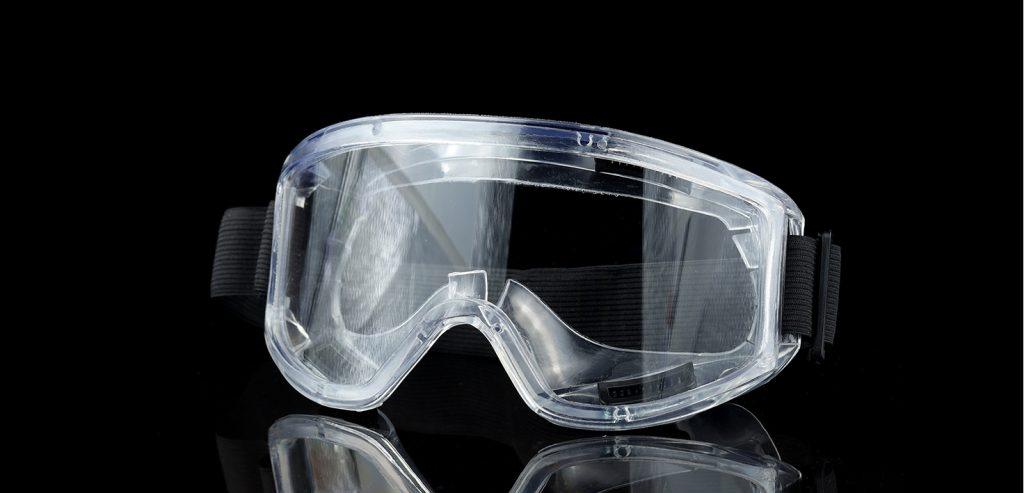
Why Prescription Safety Glasses Matter
Prescription Safety Glasses Malaysia serve a dual purpose: they correct vision and provide robust protection against workplace hazards. Unlike standard safety goggles, prescription safety glasses are tailored to the individual’s vision needs, ensuring optimal clarity and comfort throughout the workday. This is especially important for workers who require corrective lenses but cannot wear contact lenses in hazardous environments.
Key benefits include:
- Impact Resistance: Made from advanced materials like trivex or polycarbonate, these glasses offer superior protection against flying debris, chemicals, and other hazards.
- Compliance with International Standards: High-quality prescription safety glasses meet stringent safety standards, giving employers and workers peace of mind.
- Enhanced Productivity: Clear vision reduces errors and fatigue, contributing to a safer and more efficient workplace.
Optika Optometrist: Your Partner in Workplace Eye Safety
Since 2015, Optika Optometrist has been committed to safeguarding the vision of Malaysian workers by providing Prescription Safety Glasses in Malaysia that meet international safety standards. Their eyewear is crafted from impact-resistant materials and tailored to each individual’s prescription, ensuring both clarity and maximum protection. As a trusted local provider, Optika Optometrist offers professional eye tests, specialty eye care services, and a wide range of safety eyewear options—all delivered with uncompromised service and value.
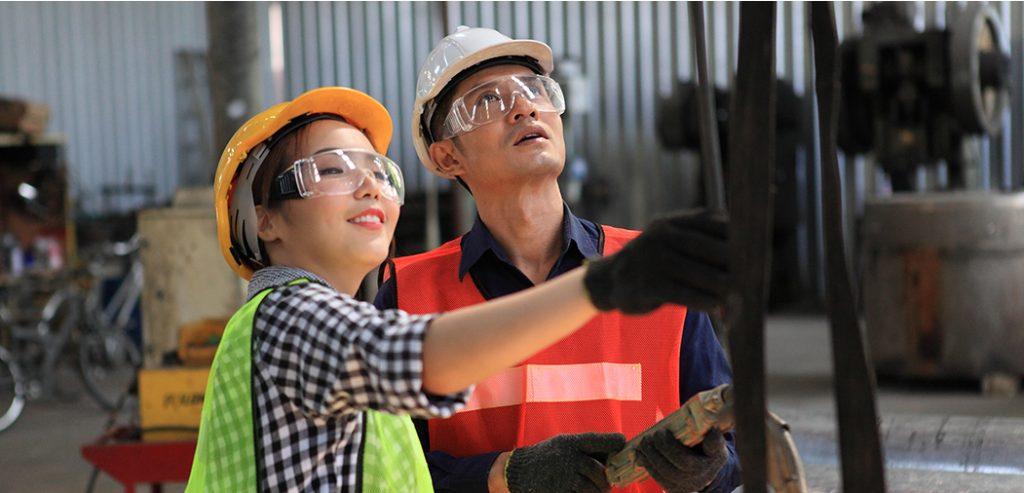
Real-World Impact: Reducing Eye Injuries and Costs
The adoption of Prescription Safety Glasses in Malaysia has a measurable impact on workplace safety and cost reduction. By preventing eye injuries, companies can avoid significant medical expenses and productivity losses. Moreover, increased compliance with safety eyewear policies leads to fewer work disruptions and a healthier, more motivated workforce.
Looking Ahead: The Future of Occupational Eye Safety in Malaysia
As Malaysia continues to industrialize, the importance of workplace eye safety will only grow. Employers are encouraged to invest in quality Prescription Safety Glasses in Malaysia for their teams, not only to comply with regulations but also to demonstrate a genuine commitment to worker well-being. With ongoing advancements in eyewear technology and a strong local provider like Optika Optometrist, Malaysian businesses are well-equipped to navigate the evolving occupational safety landscape.
You may also like: Ortho K Malaysia: A Non-Surgical Solution to Combat Rising Myopia Rates Among Children
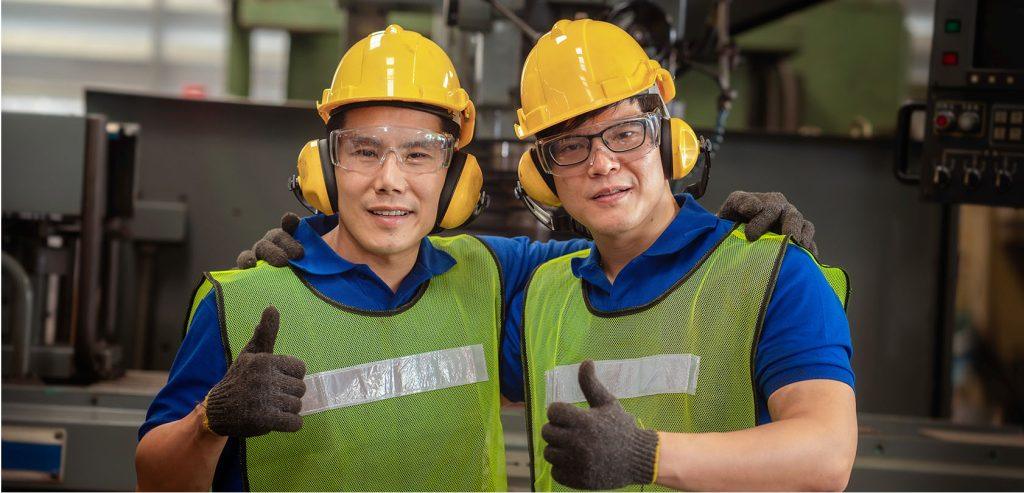
Conclusion
In 2025, the rising importance of Prescription Safety Glasses in Malaysia cannot be overstated. With real-time data highlighting persistent risks and growing demand, employers and workers must prioritize eye protection as a core component of occupational safety. By choosing trusted providers and investing in high-quality safety eyewear, Malaysia can continue its journey toward safer, healthier, and more productive workplaces